


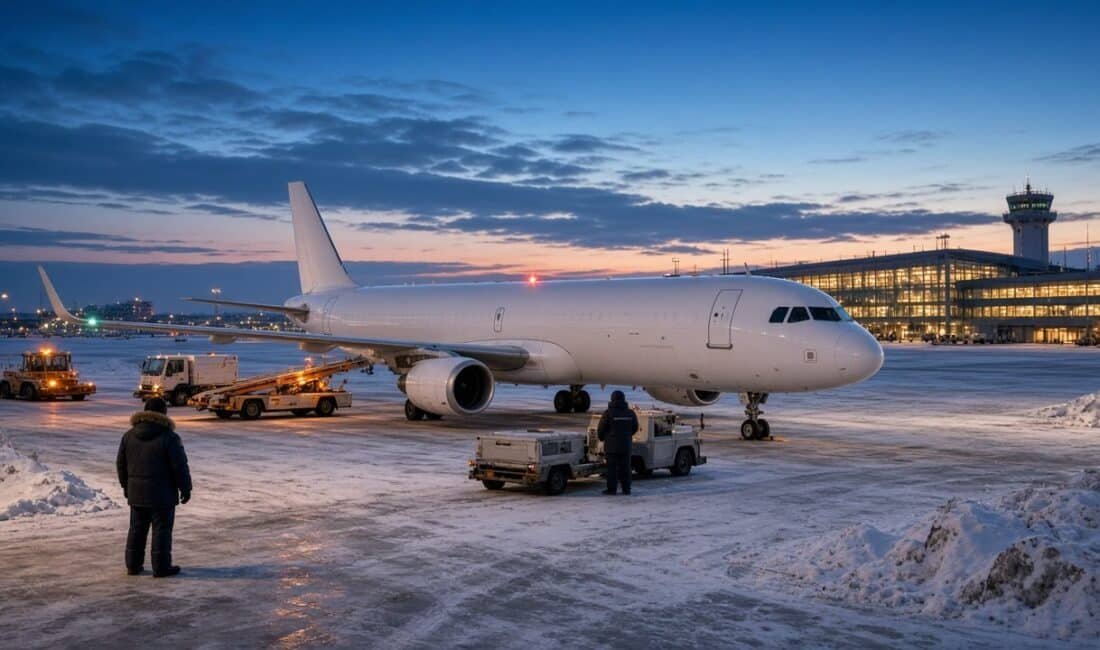
Every Russian air passenger may soon pay to rescue a stalled aircraft industry.
Passengers Asked to Pay for Planes That Are Still Not Here
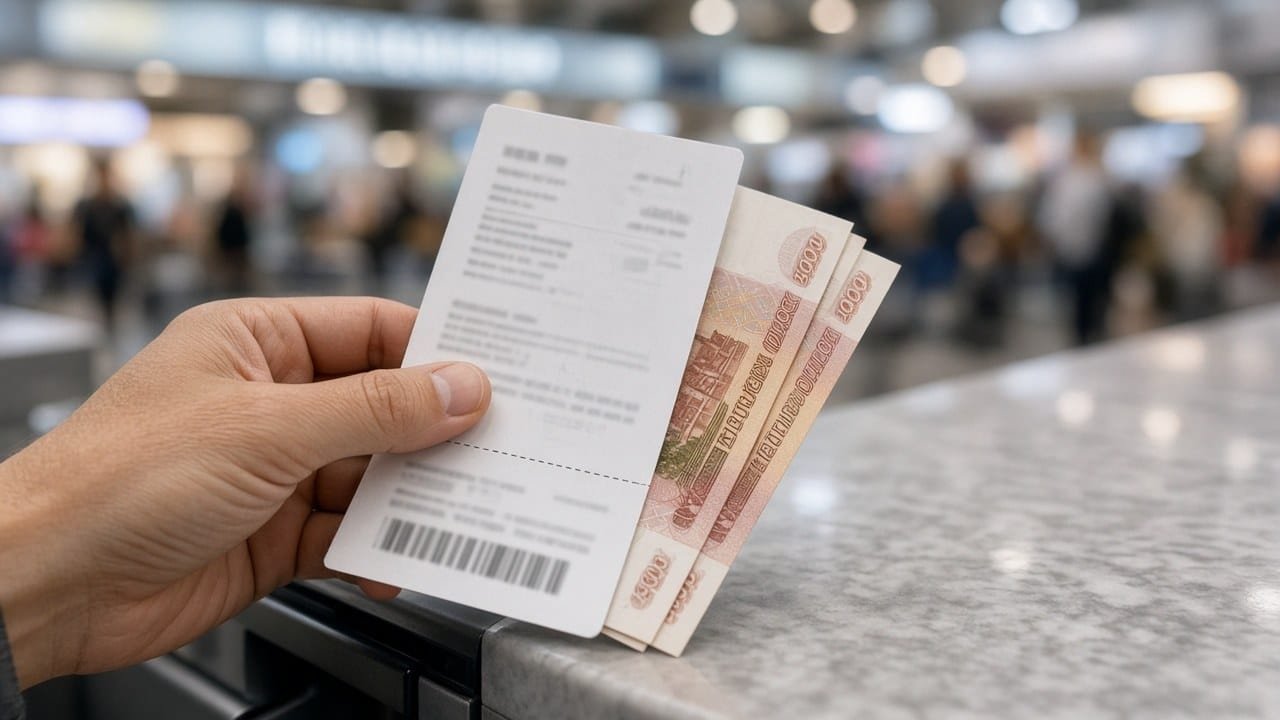
Russian travellers are being asked to bankroll airliners that are still struggling to leave the factory. From 2027, every domestic ticket would carry an extra 500 roubles (about €5.4) and every international ticket 1,000 roubles (about €10.8), according to the State Duma’s budget and tax committee in its assessment of the draft 2027–2029 federal budget.
The Ministry of Industry and Trade is designing the mechanism on President Vladimir Putin’s instructions. The money would cover leasing and operating costs for 258 aircraft, including the MS-21, Tu-214, SJ-100 and Il-114-300, under Russia’s comprehensive programme to expand aircraft production.
It would land on top of the 150-rouble fee passengers have paid since September 2025 to fund airfield reconstruction, Meduza reported.
A Production Promise of 120 Jets That Delivered Only 13 Aircraft
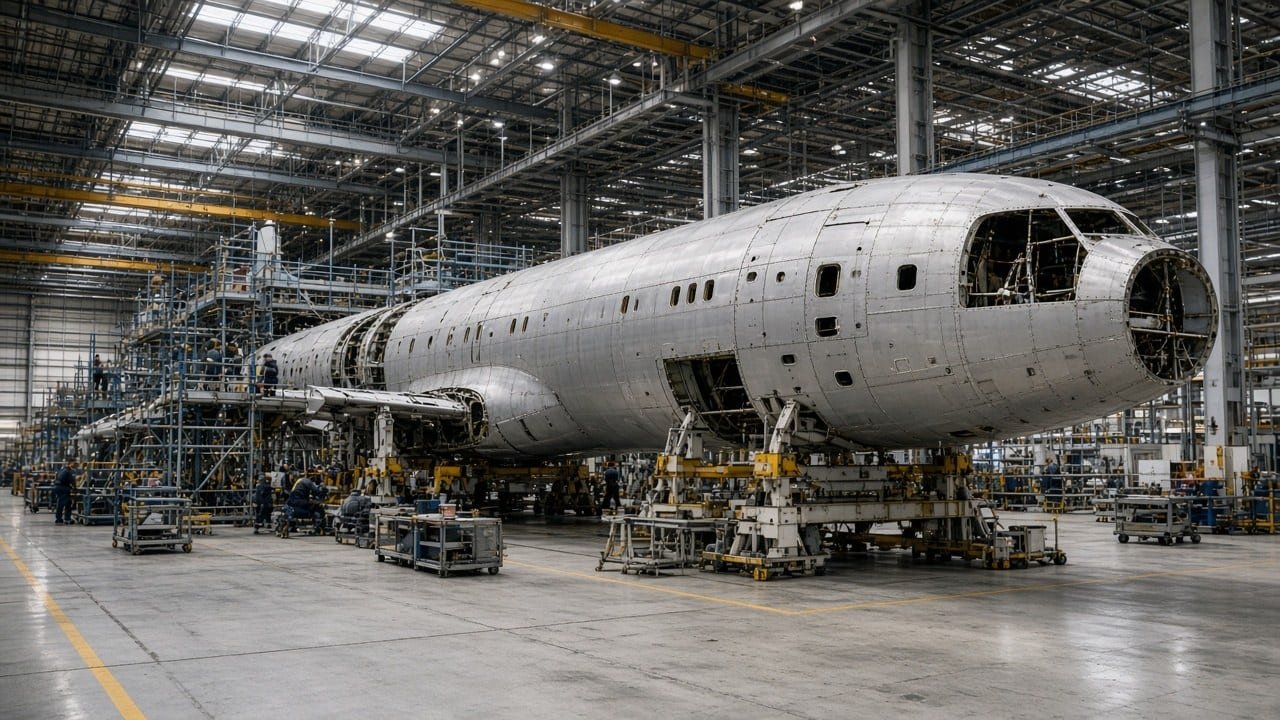
Between 2022 and 2025, Russian airlines received 13 new aircraft against a planned 120, Euronews reported. The civil industry has produced no new serial aircraft since the full-scale invasion of Ukraine.
Deadlines keep sliding. In summer 2026, the target for large-scale production moved from 2030 to 2035. Certification and serial production of the MS-21 and SJ-100 are now slated for 2027, while the certified Il-114-300 is promised from December 2026.
Sanctions Left Russian Airlines Flying an Ageing, Shrinking and Cannibalised Fleet
Western sanctions left Russian airlines cut off from buying or leasing Western jets, spare parts or maintenance after February 2022. Before the invasion, about 850 of Russia’s 900 commercial aircraft were Boeing or Airbus models, around 85% of them leased.
Moscow let carriers re-register more than 400 foreign-leased jets at home, a move Euronews describes as illegal under international aviation law. Lessors have filed insurance claims of around $8 billion, and airlines now strip seized aircraft for parts.
What the New Levy Could Raise and Cost Russian Air Travellers
Kommersant estimated the levy could raise 68.12–84.41 billion roubles a year, based on 2025 traffic of 81.45 million domestic plus 27.4 million international passengers.
Part of the money would go to leasing companies to bridge the gap between production costs and the subsidised prices airlines pay, Meduza reported, with the rest offsetting high operating costs. Analysts quoted by Kommersant warn that pricier tickets risk driving passengers away.
Frequently Asked Questions
-
How much is Russia’s planned airline ticket levy?
500 roubles on domestic tickets and 1,000 roubles on international tickets.
-
When could the levy start?
It could take effect from 2027, according to the State Duma budget and tax committee.
-
What will the money pay for?
Leasing and operating costs of 258 Russian-built aircraft, including the MS-21, Tu-214, SJ-100 and Il-114-300.
-
Do passengers already pay a similar fee?
Yes, a 150-rouble fee for airfield reconstruction has applied since September 2025.
-
Who is designing the levy?
The Ministry of Industry and Trade, acting on President Vladimir Putin’s instructions.
Conclusion
Russia’s ticket levy is a blunt admission that its aircraft programme cannot yet pay its own way. Passengers, already charged 150 roubles for airfields, would add 500 or 1,000 roubles per ticket from 2027 so that 258 home-built jets can be leased and flown. Yet the planes remain a moving target, with mass production pushed back to 2035 and only 13 new aircraft delivered against a plan of 120 between 2022 and 2025. Until the MS-21 and SJ-100 actually reach airline fleets, Russian travellers will be paying up front for aircraft that are still years behind schedule.
Bibliography / Sources
- Sheludkova, I., & Euronews Russian. (2026, November 5). Russia plans ticket surcharge to bankroll struggling aircraft industry [News article]. Euronews. https://www.euronews.com/2026/11/05/russia-plans-ticket-surcharge-to-bankroll-struggling-aircraft-industry
- Meduza. (2026, October 28). Russia proposes new airline ticket surcharge to finance domestic aircraft production [News article]. https://meduza.io/en/news/2026/10/28/russia-proposes-new-airline-ticket-surcharge-to-finance-domestic-aircraft-production
- Vedomosti. (2026, October 28). Aviasbor dlya podderzhki postavok samoletov mogut vvesti v Rossii v 2027 godu [Air levy to support aircraft deliveries may be introduced in Russia in 2027] [News article]. https://www.vedomosti.ru/economics/news/2026/10/28/1240921-aviasbor-dlya-postavok-samoletov
- Kommersant. (2026, September 23). Mintrans obsuzhdaet sbor s passazhirov na lizing novykh samoletov [Transport ministry discusses a passenger levy to lease new aircraft] [News article]. https://www.kommersant.ru/doc/8972760