


New tourism scores look beyond arrivals to jobs, money and environmental care.
New tourism scores look beyond arrivals when they judge travel success. WTTC now measures economic power, environmental efficiency and jobs. Big markets lead on power. Cleaner or more job-rich places can lead elsewhere.
- 4 Nov 2026WTTC launch date at WTM London
- 184Economies in the new indices
- US, China, IndiaLead the power ranking
- Sweden / Costa RicaLead efficiency in their income groups
Why these new tourism scores matter
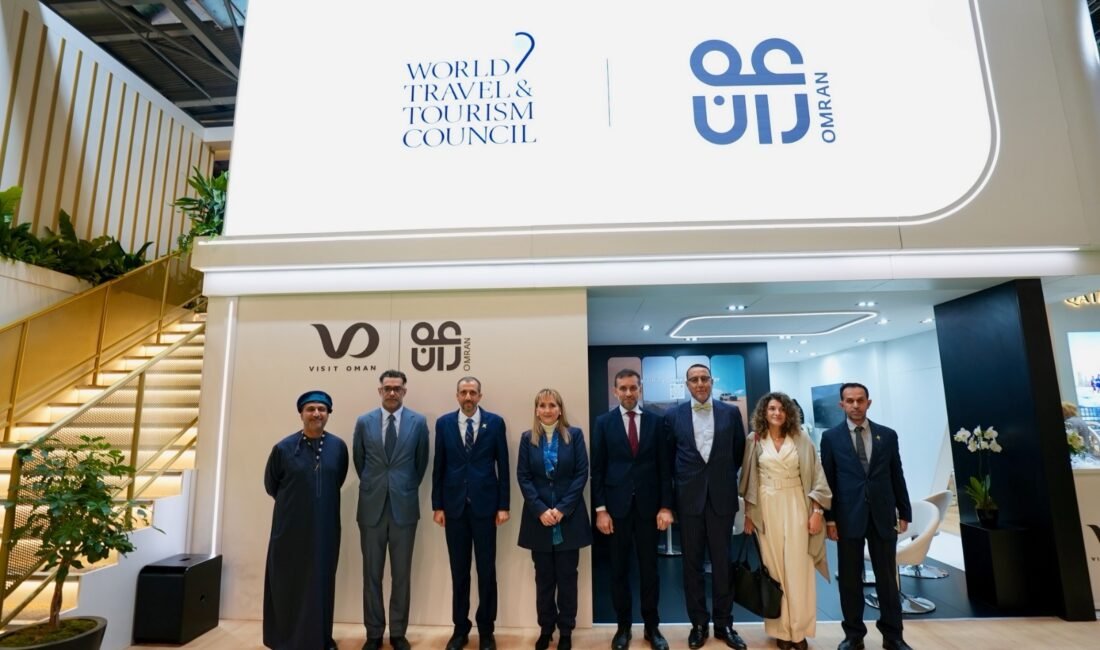
New tourism scores look beyond arrivals when they judge a country’s travel sector. The World Travel & Tourism Council launched the Power, Efficiency and Opportunity Indices on 4 November 2026. It did so at World Travel Market London, with OMRAN Group. Oxford Economics helped build the work. The set covers 184 economies.
The message is simple. Success should not rest on visitor counts alone. The power index looks at scale, jobs and investment. The United States, China and India lead that ranking. The efficiency index looks at tourism’s footprint relative to the activity it creates. Sweden leads among high-income economies. Costa Rica leads among upper-middle-income ones.
If these scores guide policy, places that grow more carefully may gain attention and funds. Residents may gain if quality starts to matter as much as volume. Destinations that only chase arrivals may lose their easy claim to being best. The scores do not change a street by themselves. They matter only if governments and firms use them.
The new scores can reward places that grow more carefully
The new scores can reward places that do not only chase visitor counts. WTTC says economic scale alone does not decide wider tourism performance.
A smaller destination can look strong on efficiency or jobs even if it is not a giant market. That can help places that invest in cleaner growth. It can also expose big markets that still lag on those tests.
Big tourism power does not prove a cleaner environmental record
Big tourism power does not prove a cleaner environmental record on its own. The United States, China and India lead on economic scale. The top 20 power economies accounted for 81% of global Travel & Tourism GDP in 2024.
That concentration helps large industries and investors who already work at scale. It can leave smaller places less visible if power is the only lens. The efficiency ranking is a useful counterweight, because Sweden and Costa Rica lead their income groups there.
Jobs scores may help workers if policy follows the data
Jobs scores may help workers if governments use them in real decisions. The opportunity index looks at employment share, job growth, youth work and women’s work.
Croatia, the Maldives, El Salvador and The Gambia lead their income groups on that measure. Workers and young people may gain if that spotlight brings better jobs, not only more seasonal shifts. The data does not, by itself, raise a wage.
Frequently Asked Questions
What are the new tourism scores?
They are WTTC’s Power, Efficiency and Opportunity Indices, built with Oxford Economics to measure scale, environmental efficiency and jobs.
When were they launched?
WTTC launched the indices on 4 November 2026 at World Travel Market London, with OMRAN Group.
Who leads the power ranking?
The United States, China and India rank as the most powerful Travel & Tourism economies on this index.
Who leads on environmental efficiency?
Sweden ranks first among high-income economies. Costa Rica leads among upper-middle-income destinations.
Do the scores themselves change tourism?
No. They offer a broader test of success. They matter only if governments and firms use them in decisions.
Conclusion
The purpose of the new tourism scores is to change what “success” means. If that happens, efficient and job-rich destinations can gain notice and investment. Residents may gain if quality starts to count as much as volume. Large markets that only boast about size may lose an easy crown. WTTC and its partners also gain a new tool for influence. The risk is that the tables stay in a report. Watch whether ministries and investors change what they reward, not only what they rank. That is the real test of these new tourism scores.
Bibliography / Sources
- World Travel & Tourism Council. (2026, November 4). WTTC launches new Power, Efficiency & Opportunity Indices expanding how Travel & Tourism success is measured. https://wttc.org/news/wttc-launches-power-efficiency-opportunity-indices/
- Apen-Sadler, D. (2026, November 10). How is travel and tourism success measured? This new index aims to shake things up. https://www.euronews.com/2026/11/10/how-is-travel-and-tourism-success-measured-this-new-index-aims-to-shake-things-up
- World Travel & Tourism Council. (2026, November 3). Travel & Tourism Power, Efficiency, and Opportunity Indices. https://researchhub.wttc.org/product/travel-tourism-power-efficiency-and-opportunity-indices