
Originally published in Travidition Magazine, Vol. 1, Issue 1 (2011). Some practical details such as prices, opening hours and venues may have changed; check current information before you travel.
Gail Kavanaghn shows Australia from the air, from the Sydney Harbour Bridge and from camelback.
Gail Kavanaghn’s 2011 cover story swaps kangaroos for adventure: scenic flights, a Sydney Harbour Bridge climb, outback camel safaris and eco tours in the Top End. The 2026 update corrects the BridgeClimb date and the length of Aboriginal history.
Some visitors still expect kangaroos in the main streets. Gail Kavanaghn’s cover story shows the adventure side of Australia: the view from a seaplane, the top of the Harbour Bridge and a camel safari in the outback.
The original article by Gail Kavanaghn
Walkabout by air
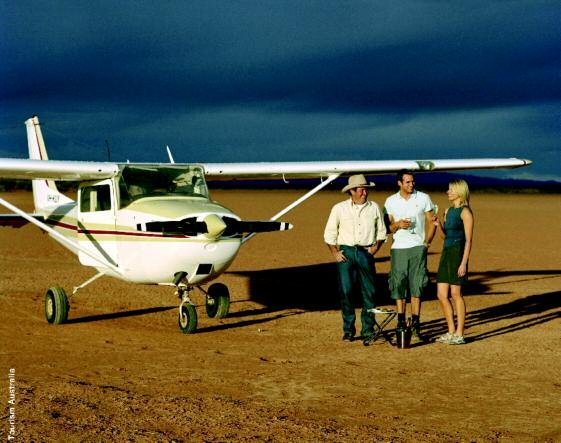
There are many ways to explore Australia, but one of the most dramatic is by air. Whether it’s in a seaplane, a hot air balloon, a light aircraft, or a helicopter, seeing Australia from the sky gives visitors a new perspective on this amazing continent.
One of the most dramatic ways to see Sydney is from a seaplane. Both Sydney Seaplanes and Sydney By Seaplane offer scenic flights across Sydney Harbour and further afield. Imagine buzzing over the Sydney Harbour Bridge and past the Opera House before tracking along the coastline’s magnificent beaches.
Seaplane tours can combine with a whale-watching cruise, and also with a gourmet lunch at some of Sydney’s iconic waterside restaurants. These include Jonah’s Restaurant, located next to Sydney’s Palm Beach; Cottage Point Inn on the water’s edge in the heart of Ku-ring-gai Chase National Park; and Berowra Waters Inn set in bushland beside the beautiful Hawkesbury River.
You can also hover above Sydney Harbour and the city’s golden beaches on a helicopter tour. You can also combine your Sydney sightseeing by zipping away to the Hunter Valley, The Blue Mountains, the Central Coast, or the Southern Highlands. A sunset helicopter tour over Sydney is another option. If you want something a little different you can experience the thrill of an aerobatics flight over Sydney in a bi-plane with Red Baron Adventures. Red Baron also offers scenic flights over the harbour and ocean beaches, and trips up to the World Heritage-listed Blue Mountains.
Scenic trips by light plane are also popular with visitors to Australia. You can go for scenic flights over the Great Barrier Reef for example, over Uluru in the Red Centre, or across the South Australian Outback to see the vast expanse of Lake Eyre. You can also discover Western Australia’s rugged Kimberley region by air.
Seaplanes also fly across Melbourne and Port Phillip Bay, and across the strange orange rock formations of the Bungle Bungles in Western Australia. Touch down on water too while exploring the Great Barrier Reef, the Gold Coast, or the tropical Whitsunday Islands in Queensland. Or take a seaplane along the totally wild Gordon and Franklin rivers in Tasmania and see some of Australia’s amazing World Heritage rainforest.
Want more? Well, you can fly across the city of Melbourne in an old-fashioned Tiger Moth, and soar high above its streets and churches in a hot air balloon.
Travelling by hot air balloon is about the most peaceful way you can travel. Float with the breeze in a hot air balloon in Tasmania, or across the Outback from Alice Springs in the Northern Territory. Drift over the picturesque Avon Valley near Perth, or over mobs of kangaroos in the red dirt country of central New South Wales.
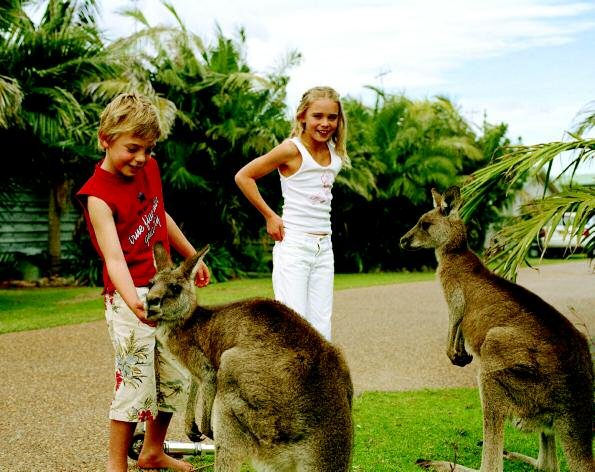
Crazy as it sounds, some visitors to Australia do expect to find kangaroos hopping down the main streets. But in fact, Australians in the cities are very urbanized and so have devised ways of getting an adventure rush no matterwhere they are in our great land. Whether in the city, he bush or the outback, the national thirst for extremes results in a wealth of exciting experiences. Here are just a few:
What could be extreme about a visit to Sydney Harbour?
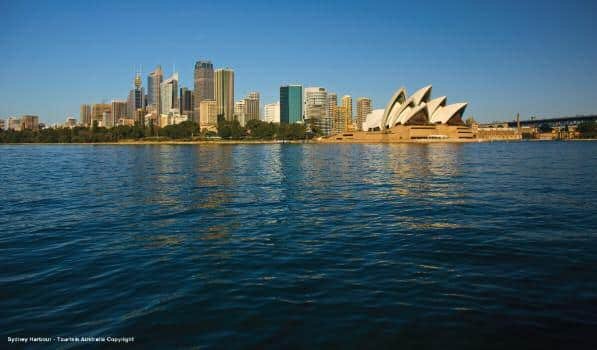
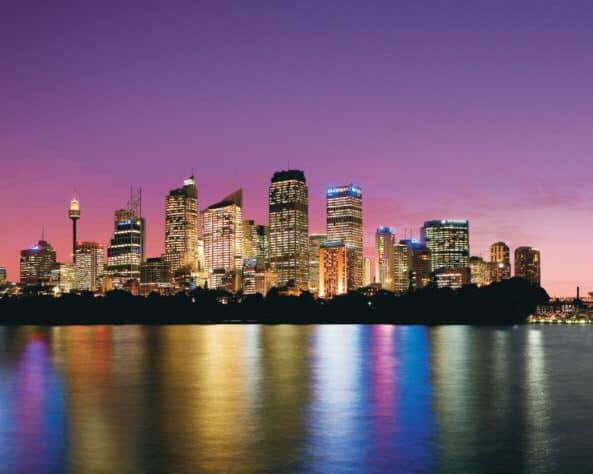
It is one of the world’s most beautiful locations, certainly, with the astonishing vista of the harbor itself, the Sydney Opera House, the skyline, and of course, Sydney Harbour Bridge. Even locals find it a daily wonder. But a place where you can unleash your inner adventurer? Look no further than the bridge itself.
Newcomers to Sydney can’t fail to be impressed with this soaring wonder that arches over one of the world’s most beautiful bays.
In the past, bridge workers were often envied for the views they had to themselves as they worked along the upper span. But no more since 1988, the Sydney Harbour Bridge Climb has become one of the most popular tourist attractions in the city.
Climbers are guided up catwalks and ladders to the immense upper span, 134 meters above the water below.
The 360 degree views of the city and the harbor are breathtaking and leave the climber with a stunning sense of achievement. So popular is this adventure that since the tours started, two million people, including celebrities, have braved the span. The climb takes 3 hours and is open to a surprising number of candidates.
Some medical conditions may prove a barrier and you must be over 1.2 meters tall, but the bridge has been climbed by the hearing impaired, some people with disabilities and a one-hundred-year-old woman! Basically you need to be fit, strong and co-ordinated enough to sustain moderate physical activity for the duration of the climb. You can even tackle the climb if you are less than 24 weeks pregnant.
You can’t take a camera, but Climb Leaders will capture your moment on top of the world anyway, and the climb includes a complimentary group photo by the time you finish you will all have bonded anyway!
If gazing down on the wonders of Sydney Harbour don’t offer enough apeal, head for the outback and meet some of Australia’s most unusual immigrants.
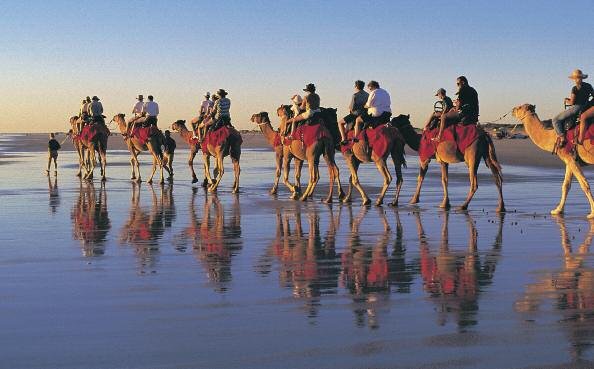
Camels are among the most successful migrations to Australian shores, brought here by Afghan migrants more than a century ago. The animals have adapted so well to the Australian outback that they have become a tourist attraction. Camel safaris operate in wilderness areas and are a rewarding way to experience the outback. The safaris are led by Australian wildlife, cultural and environmental experts to ensure that tourists learn as they ride.
The camel is called the ship of the desert’ and this is usually thought to refer to its capacity to carry water in its hump but in fact there is another good reason. The camel is also one of the world’s most tireless pack animals, and on the average four day safari, it carries everything its rider needs, such as water, food and sleeping gear.
No back up vehicles follow the tour and despoil the pristine desert wilderness, because none are needed. You don’t need to be an expert camel rider but you do need to be reasonably physically fit, as many first timers prefer to walk occasionally while they are getting used to the saddle!
Ecologically speaking, Australia has some of the most glorious nature destinations in the world.
But it’s not all sight seeing and hotel hopping. If you ant something really different, does bush walking, spear throwing and living off the land sound like a plan to you?
Eco Tourism is a big thing right now, and Australian ecotour leaders like Odyssey Tours and Safaris have the ecotour of a lifetime. It’s a non-stop adventure through Australia’s `top end’ These tours are taken at the best time of the year to explore places like Kakadu, in August and October. This is the Australian Spring, and the `top end’ is blooming.
These tours also take in the cultural life of Australia’s native peoples, the Aborigines, who have lived in this amazing land for 45,000 years. On these tours, you will have the chance to meet the local tribes, an unforgettable experience in itself, and learn ancient arts like spear throwing and basket weaving from the tribal elders.
You’ll be living off the land, swimming in natural waterholes called `billabongs’, viewing ancient Aboriginal rock art and singing songs around a roaring campfire. So what are you waiting for? Australia has a wealth of once-in-a-lifetime experiences waiting for you!
Oh, and those kangaroos and beaches? Sure, we got those too.
Frequently asked questions
How long does the Sydney Harbour Bridge climb take?
The article says the climb takes three hours. BridgeClimb gives the same time for its original climb, including preparation. The climbers go up to the upper span, 134 metres above the water.
When did BridgeClimb open?
On 1 October 1998. The magazine printed 1988, which is a slip. By 2010 BridgeClimb had welcomed its 2.5 millionth climber.
Who can do the climb?
The article says climbers must be over 1.2 metres tall and fit enough for moderate activity. It says the bridge has been climbed by hearing-impaired people, people with disabilities and a 100-year-old woman. Check current rules with the operator.
What is a camel safari like?
The article says safaris are led by wildlife, cultural and environmental experts. A four-day safari has no back-up vehicle, because the camels carry water, food and sleeping gear. You do not need to be an expert rider.
When are the Top End eco tours?
The article says the tours run in August to October, which it calls the Australian spring, when Kakadu and the Top End are blooming. Check seasonal conditions with the operator.
References
- Gail Kavanaghn, in Travidition Magazine, Vol. 1, Issue 1 (2011): the original article reproduced above.
- Tourism Australia: official travel site
- BridgeClimb Sydney: the BridgeClimb story
- BridgeClimb: 2.5 millionth climber
- National Indigenous Australians Agency: culture and empowering communities