
Originally published in Travidition Magazine, Vol. 1, Issue 1 (2011). Some practical details such as prices, opening hours and venues may have changed; check current information before you travel.
Belinda Youlten says hotels should do more for the environment than wash fewer towels.
Belinda Youlten’s 2011 column argues that real eco-tourism means hotels built to blend into nature, such as Australia’s Couran Cove Island Resort, not only towel-reuse cards. The 2026 update records that Couran Cove closed in 2011 and that its residents have faced utility cut-offs since 2023.
Going green is about more than reusing towels. Belinda Youlten describes hotels that blend into their surroundings, from resorts on stilts to eucalypt-forest lodges built around existing trees.
The original article by Belinda Youlten
Going green for some branded hotels is the request for guests to use less fresh towels and conserve water. Although definitely a step towards conservation, it pales to insignificance when compared to hotels that offer 5-star facilities with little impact on the environment and a concerted effort toward going green.
Leading the way are many hotels in Australia, New Zealand and the Pacific Rim which have been specifically designed to blend into their surrounding environment. Resort structures have been built sitting on stilts above the ground, ocean or lake, to minimize environmental damage.
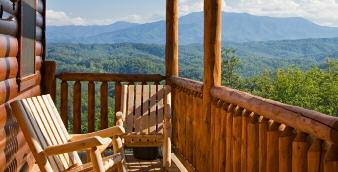
These designs enable guests to watch nature from the comfort of their rooms. While staying in a waterfront lodge at Australia’s Couran Cove Island Resort, not only was I able to view the fish and bird life but I was treated to the beautiful sight of two kangaroos swimming at sunset.
Couran Cove Island Resort co-exists with the fragile sand eco-system of South Stradbroke Island in Queensland. It has its own water treatment plant and recycling center. As well as a massive worm farm, housed in a barn any farmer would envy, where food scraps from all the resort’s kitchens are composted. To be later used as mulch in the gardens around the resort. Trash is also separated for recycling.
The resort’s Nature Lodges, scattered deep in the eucalypt forest, were built around existing trees to maintain the natural beauty of the flora and fauna. The buildings were architecturally designed to take advantage of the sun and wind to minimize the use of heaters and air-conditioners. Solar heating panels are used for the hot water systems and natural materials such as bamboo flooring and hemp blinds have been used rather than hardwoods and synthetics.
Many new hotels and resorts in the Pacific region are taking up similar practices to Couran Cove in an effort to conserve energy. Some island resorts supply cloth bags to guests in a bid to help with waste management. They request tourists take home any plastic bottles, containers and plastic bags that they bring to the island.
Hopefully as tourists and travelers become more environmentally aware and educated there will be a demand for brand name hotels to do more for the environment than just washing less towels.
Added by Travidition editors (not part of the original article)
What happened to Couran Cove
Couran Cove Island Resort closed in June 2011 when receivers were appointed to the business. The resort was sold in 2012 for $10 million, according to a news.com.au report headlined “$150m resort sells for $10m”.
More recently the ABC reported, in March 2026, that the Queensland Supreme Court had upheld a $22 million utilities debt and that water, power and sewerage connections to homes at the resort had been cut since 2023. The experience described in the column belongs to the resort’s earlier years.
The wider lesson still stands. A hotel’s green claims are easiest to judge by what it builds, treats and recycles on site, not by a single card in the bathroom.
Frequently asked questions
What is the main point of the column?
That going green means more than asking guests to use fewer fresh towels. The author contrasts that gesture with hotels that offer five-star facilities with little impact on the environment.
How are green hotels built, according to the column?
Many in Australia, New Zealand and the Pacific Rim were designed to blend into their surroundings. Resort structures sit on stilts above the ground, ocean or lake to minimise environmental damage, and guests can watch nature from their rooms.
What did Couran Cove do for the environment?
The author describes a water treatment plant, a recycling centre and a large worm farm that composts kitchen scraps into mulch. Its Nature Lodges were built around existing trees, use solar hot water, and have bamboo flooring and hemp blinds.
Can I stay at Couran Cove today?
No. The resort closed in 2011 after receivers were appointed and was sold in 2012. In March 2026 the ABC reported that water, power and sewerage connections to its homes have been cut since 2023.
What do some island resorts ask of guests?
They supply cloth bags to help with waste management and ask tourists to take home any plastic bottles, containers and plastic bags that they bring to the island.
References
- Belinda Youlten, in Travidition Magazine, Vol. 1, Issue 1 (2011): the original article reproduced above.
- Australian Financial Review: Paradise lost as Couran closes (1 June 2011)
- news.com.au: $150m resort sells for $10m
- ABC News: Couran Cove residents frustrated as Supreme Court upholds $22m debt (14 March 2026)