


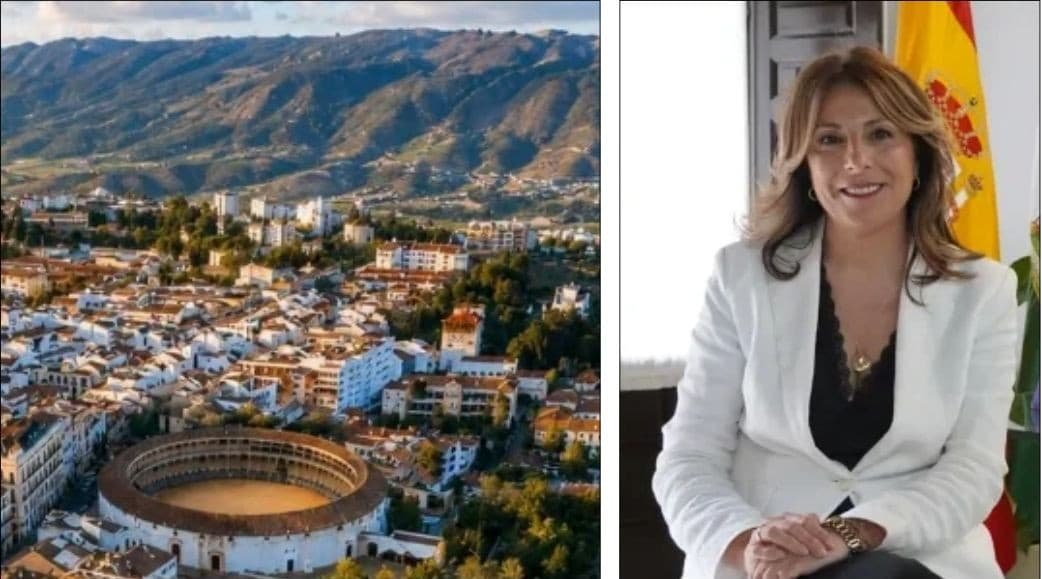
Ronda draws a line at thirty for tour groups near its famous bridge.
Ronda draws a line at thirty for organised tour groups near the Puente Nuevo. The draft also points to coach windows and fewer megaphones. It is not law yet. Residents may gain calm. Large operators may lose volume.
- 30 peopleProposed cap on organised tour groups
- Draft onlyPublic comments before a December vote
- Puente Nuevo axisFrom Plaza de la Merced to Calle Armiñán
- Coaches and megaphonesTime slots and noise limits are also proposed
Why Ronda draws a line at thirty
Ronda draws a line at thirty for organised tour groups around its famous Puente Nuevo and the streets that lead to it. The town hall announced a draft local ordinance on 12 November. The mayor, Mar Paz Fernández, said the aim is to make daily life in Ronda compatible with a rising number of visits. The text is out for public comment. A final version is due before the ordinary council meeting in December.
The draft also points to limits on how many coaches can arrive in set time slots, a ban on guide stops at the tightest pinch points, and less noise from megaphones and similar devices. The zone in focus runs from Plaza de la Merced through the Alameda, Calle Virgen de la Paz, the Puente Nuevo and Calle Armiñán, and other parts of the historic centre.
If the plan works, residents and ordinary pedestrians can gain space and quieter streets. Large tour groups and coach operators may lose volume or have to split and wait. Shops that lean on big coach drops may sell less in a single burst. The cap is still a proposal. It should not be sold as a rule already in force.
The cap of thirty is still only a draft rule
The cap of thirty is still only a draft rule, open to public suggestions before a December vote. The official name is the Ordenanza municipal para la convivencia y regulación sostenible de los flujos turísticos de Ronda.
Coach time slots and the exact tools for enforcing them have not been fully set. Until the council votes, tour firms should not treat the cap as final, and residents should not treat calm as guaranteed.
The famous bridge is only one part of the plan
The famous bridge is only one part of the plan. The town wants to manage the whole axis from Plaza de la Merced to Calle Armiñán. Guide talks would be barred at the most congested spots, and megaphone noise would be curbed.
A cap on the bridge alone would leave the rest of the route crowded. The draft tries to treat the walk as one system. A meeting with local guides has already been held.
Residents may gain calm if the large tour groups shrink
Residents may gain calm if the large tour groups shrink, and if coaches do not all arrive at once. Visitors in smaller groups may also see the gorge more clearly. Operators of large groups may have to split parties or change their timetable.
Shops that depend on a single mid-morning coach wave may take less in one rush. The December vote will show how much of the draft survives.
Frequently Asked Questions
Is the 30-person cap already in force?
No. It is a measure in a draft ordinance, open for public comment, with a final version due at the ordinary council meeting in December.
What else would the draft change?
It points to limits on coach arrivals by time slot, a ban on guide stops at the tightest pinch points, and less noise from megaphones and similar devices.
Where would the rules apply?
The main axis runs from Plaza de la Merced through the Alameda, Calle Virgen de la Paz, the Puente Nuevo and Calle Armiñán, plus other parts of the historic centre.
Why is the town doing this?
The mayor said the aim is to make daily life in Ronda compatible with a rising number of visits.
Who may gain or lose if it passes?
Residents and pedestrians may gain space and quieter streets. Large tour groups, coach operators and shops that lean on sudden coach crowds may lose volume or have to change how they work.
Conclusion
Ronda draws a line at thirty, but only on paper so far. If the December vote follows the draft, residents on the historic axis may gain space and quieter streets. Large tour groups, coach firms and shops that live off sudden crowds may lose volume. Visitors may still come, just in smaller packets and on tighter clocks. A town can try to thin the crowds on a bridge. A national air system can still freeze in four hours and ground a whole weekend. The plan is a test of whether a famous view can stay open without swallowing the town that holds it.
- Mayor Mari Paz Fernández: Mari Paz Fernández is a prominent Spanish politician serving as the Mayor of Ronda, a historic city in the province of Málaga, Andalusia. Born in Ronda on September 14, 1974, she earned a degree in Political Science and Sociology from the University of Granada and initially worked as a civil servant in educational guidance for the regional government of Andalusia. She began her political career at the age of 18 in the youth wing of the center-right People’s Party (Partido Popular) and has served as the party’s local president in Ronda since 2011. First elected Mayor in June 2011 and later returning to office for subsequent terms, including the 2023–2027 mandate, her administration focuses heavily on urban infrastructure, tourism promotion, and preserving the rich cultural heritage of Ronda.
Bibliography / Sources
- Ayuntamiento de Ronda. (2026, November 12). El Ayuntamiento regulará la afluencia de visitantes en las principales zonas turísticas de Ronda. https://ayuntamientoronda.es/el-ayuntamiento-regulara-la-afluencia-de-visitantes-en-las-principales-zonas-turisticas-de-ronda/
- The Olive Press. (2026, November 15). Ronda plans limits on tour groups and coaches by Puente Nuevo. https://www.theolivepress.es/spain-news/2026/11/15/ronda-tour-groups-coaches-limits-puente-nuevo/
- Diario Sur. (2026, November 12). Ronda quiere poner orden en sus calles más turísticas: grupos de hasta 30 personas y límites a los autobuses. https://www.diariosur.es/interior/ronda/ronda-quiere-poner-orden-calles-turisticas-grupos-20261112190732-nt.html